PROJECT HAIL MARY — TAIPEI DRONE ACTIVATION
Live activation coverage strategyOn-ground visual coverage strategy for a fragmented Taipei launch activation — aligning capture priorities, stakeholder needs, and same-night press-ready delivery.
CONTEXT
Project Hail Mary — Taipei Drone Activation was a live launch event in Taipei executed under fragmented ownership, compressed timing, and lean on-ground resources. The goal was to shape a stills strategy for immediate press and client use.

Strategic Challenge
The challenge was not volume, but prioritization. With split operational zones, limited capture resources, and multiple stakeholder layers across Heads In The Sky (HITS), SONY, local production, and stills coverage, the task was to identify which image could best represent the activation — and direct the coverage system toward that outcome.
Key Visual Pivot

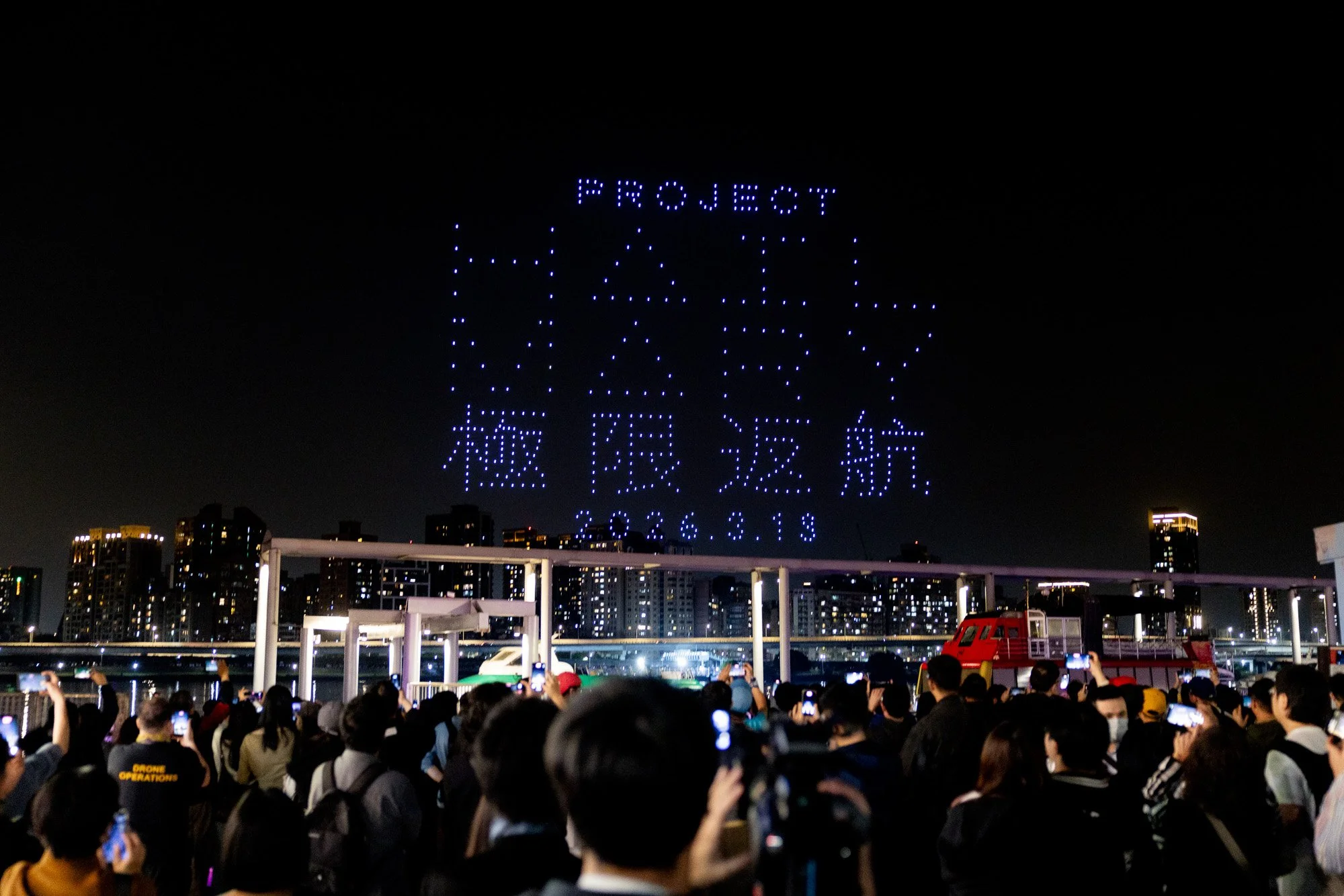
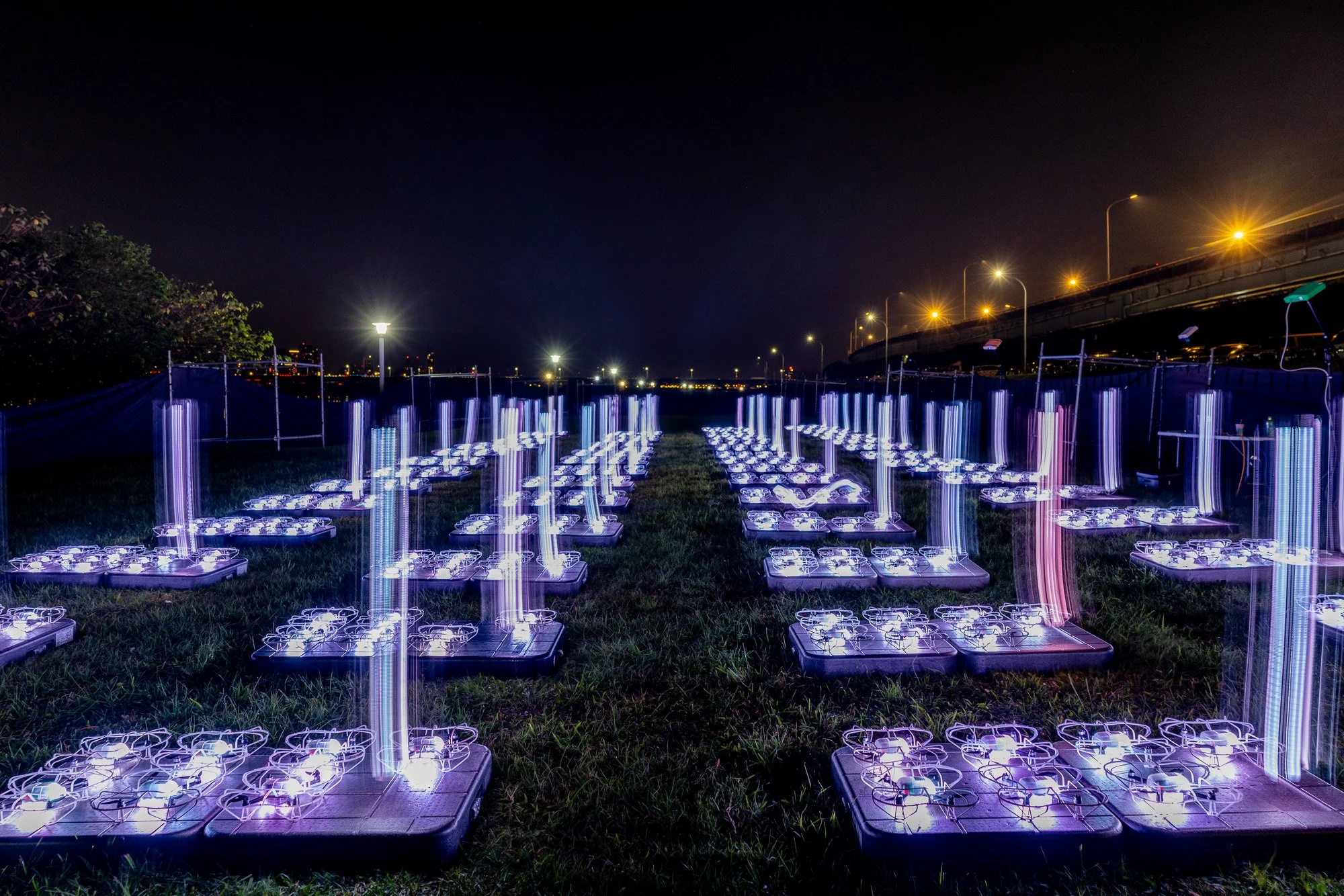
Initial planning considered the control side as a possible hero position. After scout, it became clear that the stronger campaign image would come from the audience side — where skyline, spectacle, and public energy could align in a single frame. Coverage was redirected accordingly, with control-side capture supporting BTS and operational texture, and audience-side framing carrying the primary launch narrative.
outcome

The final stills set was delivered the same night in a press-ready format, with event, formation, and audience-focused selects prepared for immediate client and publicity use. More importantly, the project demonstrated how a clear visual priority can align cross-functional teams around one campaign-defining image.